How to Reduce Bathroom Moisture and Condensation
Improve everyday airflow and investigate persistent damp rather than masking it.
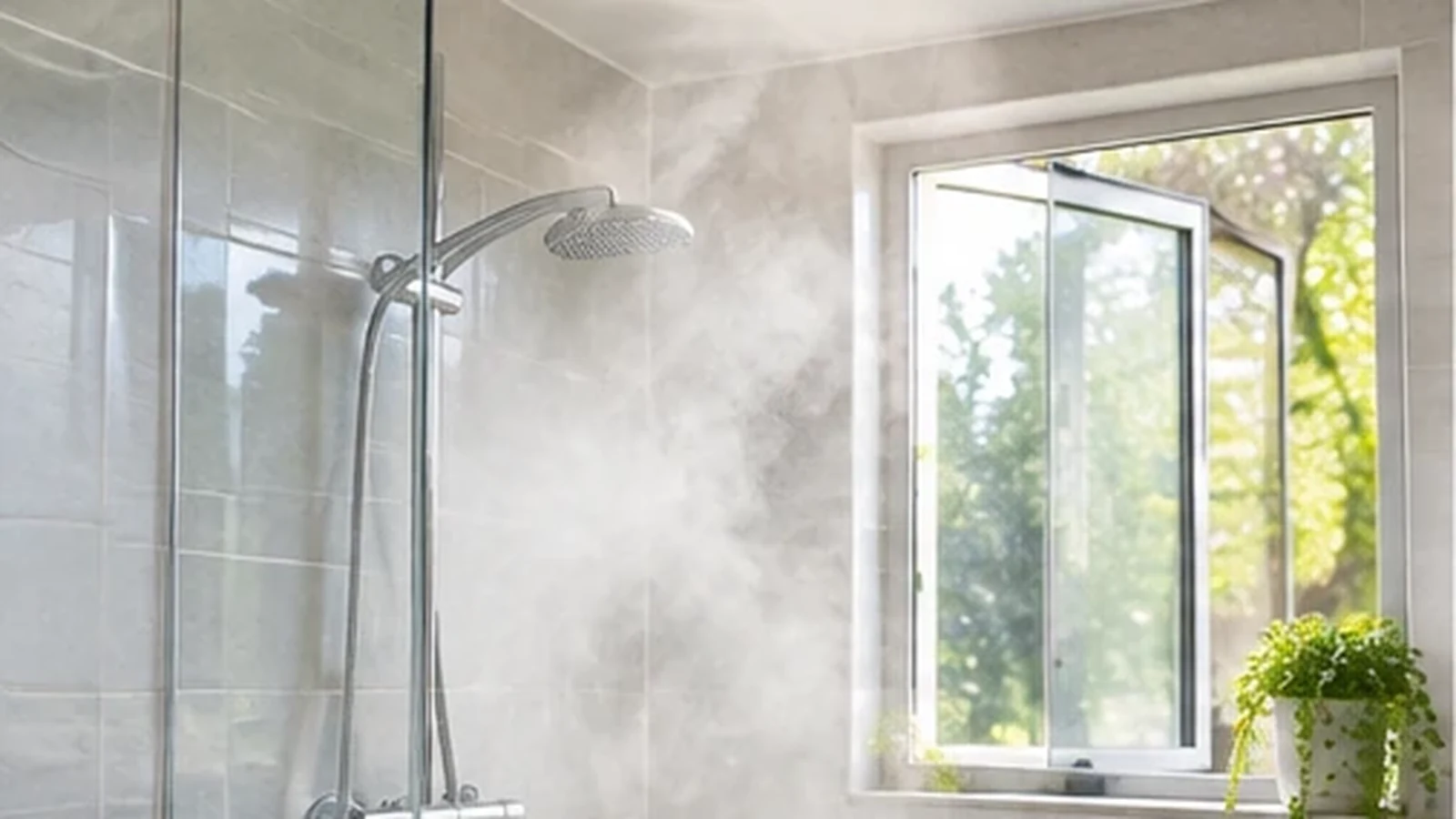
Improve everyday airflow and investigate persistent damp rather than masking it. The best approach depends on the materials, products, and conditions in your home. Start with the instructions for the specific item you are working with and make a small compatibility check before proceeding.
Step-by-step approach
- Use the extractor fan as directed
- Keep air inlets clear
- Wipe standing water
- Hang towels so both sides can dry
- Investigate recurring damp patches or leaks
Bathrooms produce moisture quickly.
Use the extractor fan during bathing and for the period recommended by its maker.
Keep airflow paths clear and wipe standing water from ledges and shower screens.
Hang towels with space around them.
Recurring damp, mold, or peeling finishes may indicate poor ventilation or a leak; identify the cause rather than simply painting over the mark.
Do not mix bleach with acids or ammonia. Seek qualified help for large or recurring mold problems and suspected leaks. Do not remove electrical fan components unless qualified.
Track where moisture collects
Run the exhaust fan during bathing and continue long enough afterward to clear humid air. If there is no fan, open a window when outdoor conditions allow and keep the bathroom door open after use. Wipe standing water from the shower screen, sill, and other flat surfaces. Check that the fan grille is not covered in lint and that the air is actually discharged outdoors rather than into an attic or wall cavity.
Troubleshooting and common mistakes
Look for recurring condensation on mirrors, windows, and cold corners. If moisture remains for hours, check whether the fan is operating, whether its grille is blocked, and whether the room has a path for replacement air. A fan that makes noise but moves little air may need cleaning or professional assessment.
When to stop and get help
Persistent dampness, musty smells, visible mold returning after cleaning, or water stains can indicate a leak or ventilation defect. Fix the moisture source rather than relying on fragrance or repeated surface cleaning. For extensive mold or hidden moisture, seek qualified help.
Sources and further reading
A Brief Guide to Mold, Moisture and Your Home (official guidance)
A simple moisture check
After a shower, look at the mirror, window edges, and the coolest wall corners. Note how long visible condensation takes to clear under your normal routine. This observation helps distinguish a brief burst of steam from a room that stays damp. It is not a substitute for checking the fan duct or investigating a leak.
Frequently asked question
Should I leave the bathroom door open?
When privacy and household conditions allow, leaving the door open after bathing can help humid air mix with the rest of the home. It does not replace an effective exhaust fan or repair a leak. In a shared home, use the approach that fits the room layout and ventilation system.
Editorial note: This is general household information. Product instructions and official safety guidance take priority where they differ.