How to Remove Pet Hair From Upholstery and Fabric
Match the tool to the fabric and test delicate materials first.
Match the tool to the fabric and test delicate materials first. The best approach depends on the materials, products, and conditions in your home. Start with the instructions for the specific item you are working with and make a small compatibility check before proceeding.
Step-by-step approach
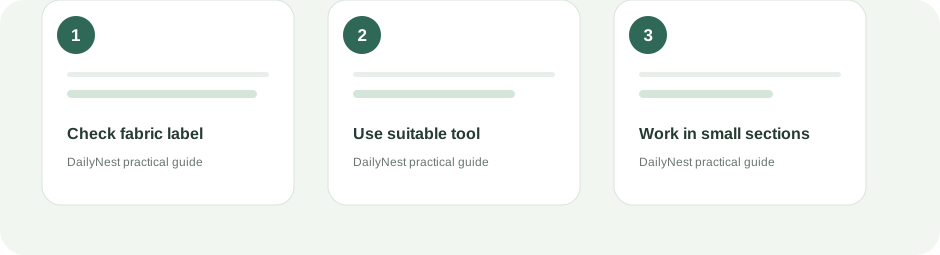
- Read the fabric care label
- Vacuum with a suitable upholstery attachment
- Test a lint tool in a hidden area
- Work in short gentle passes
- Clean tools and reduce future buildup
Pet hair can become embedded in upholstery and textiles.
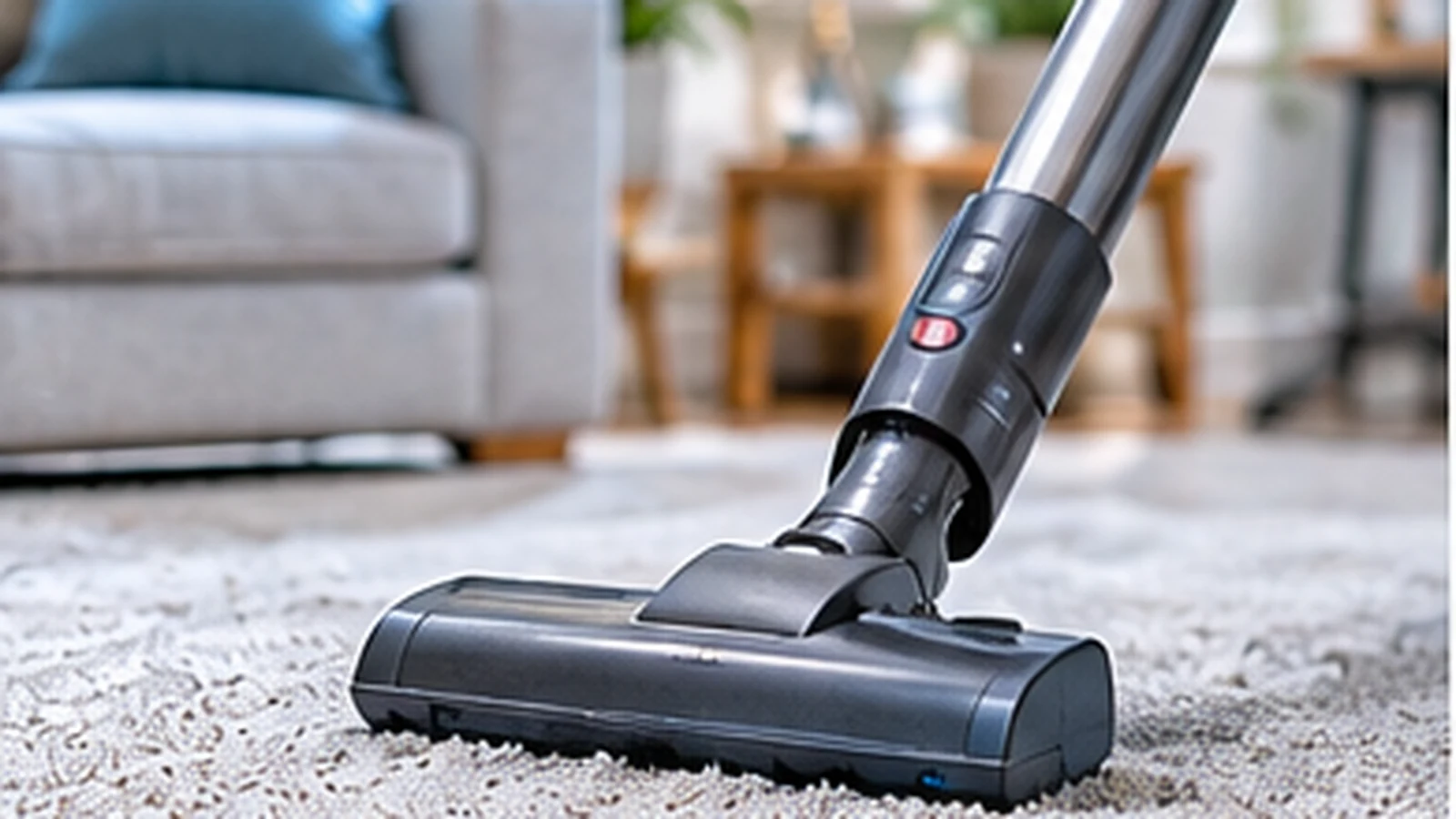
Start with a vacuum attachment at a suitable setting, then use a fabric-safe lint brush or rubber tool on durable material.
Delicate fabrics such as velvet, silk, or loose weaves may snag under friction, so check the care label and test discreetly.
Wash removable covers according to their instructions and clean tools between passes.
Avoid vigorous rubbing on delicate textiles. Do not use adhesive rollers unless the care label permits. Use only vacuum attachments intended for upholstery.
Use the gentlest effective method for the fabric
Check the upholstery care code or maker’s instructions before applying moisture or a cleaning product. Start with a vacuum upholstery tool or a soft brush, working in short overlapping passes. A slightly dampened rubber glove or lint tool may help gather loose hair on compatible fabrics; test in an inconspicuous area first.
Troubleshooting and common mistakes
Remove collected hair from seams and cushion edges with a narrow attachment. Wash removable covers only if the care label allows it, and clean the lint filter after laundering. For delicate, looped, or easily snagged fabrics, avoid aggressive rubbing and use a suitable upholstery professional.
When to stop and get help
Do not saturate cushions or use adhesive rollers on fabrics that may lift, pill, or snag. If pet hair is embedded with bodily fluids or allergens, follow the upholstery maker’s cleaning instructions rather than masking the odor.
Prevent hair from becoming embedded
A quick pass with a suitable upholstery attachment during regular cleaning can be easier than removing accumulated hair. Keep the tool clean and use low suction or a fabric-safe setting where available. Test any new tool on a hidden section before using it across a cushion.
Frequently asked question
Will a damp rubber glove work on every sofa?
No. Fabric texture and finish matter. Test the method in a hidden spot and stop if fibres snag, colour transfers, or the surface changes. A vacuum attachment designed for upholstery may be a safer starting point.
Editorial note: This is general household information. Product instructions and official safety guidance take priority where they differ.