A Simple Fridge Routine to Reduce Food Waste
Make older ingredients visible and plan meals around what needs using first.
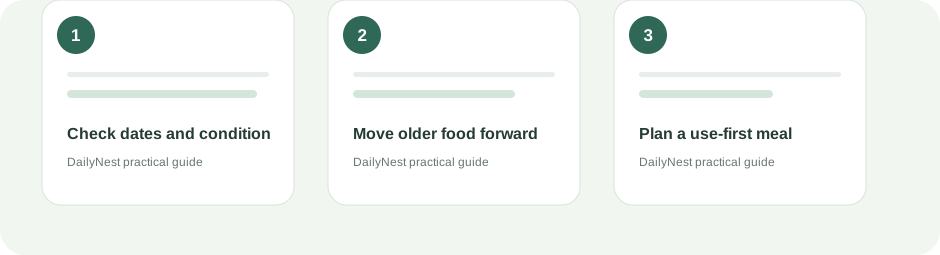
Make older ingredients visible and plan meals around what needs using first. The best approach depends on the materials, products, and conditions in your home. Start with the instructions for the specific item you are working with and make a small compatibility check before proceeding.
Step-by-step approach
- Create an eat-first shelf or bin
- Store foods in suitable covered containers
- Label leftovers with the date
- Check the fridge before shopping
- Review and clean the area weekly
Food is easily forgotten when newer groceries cover older items.
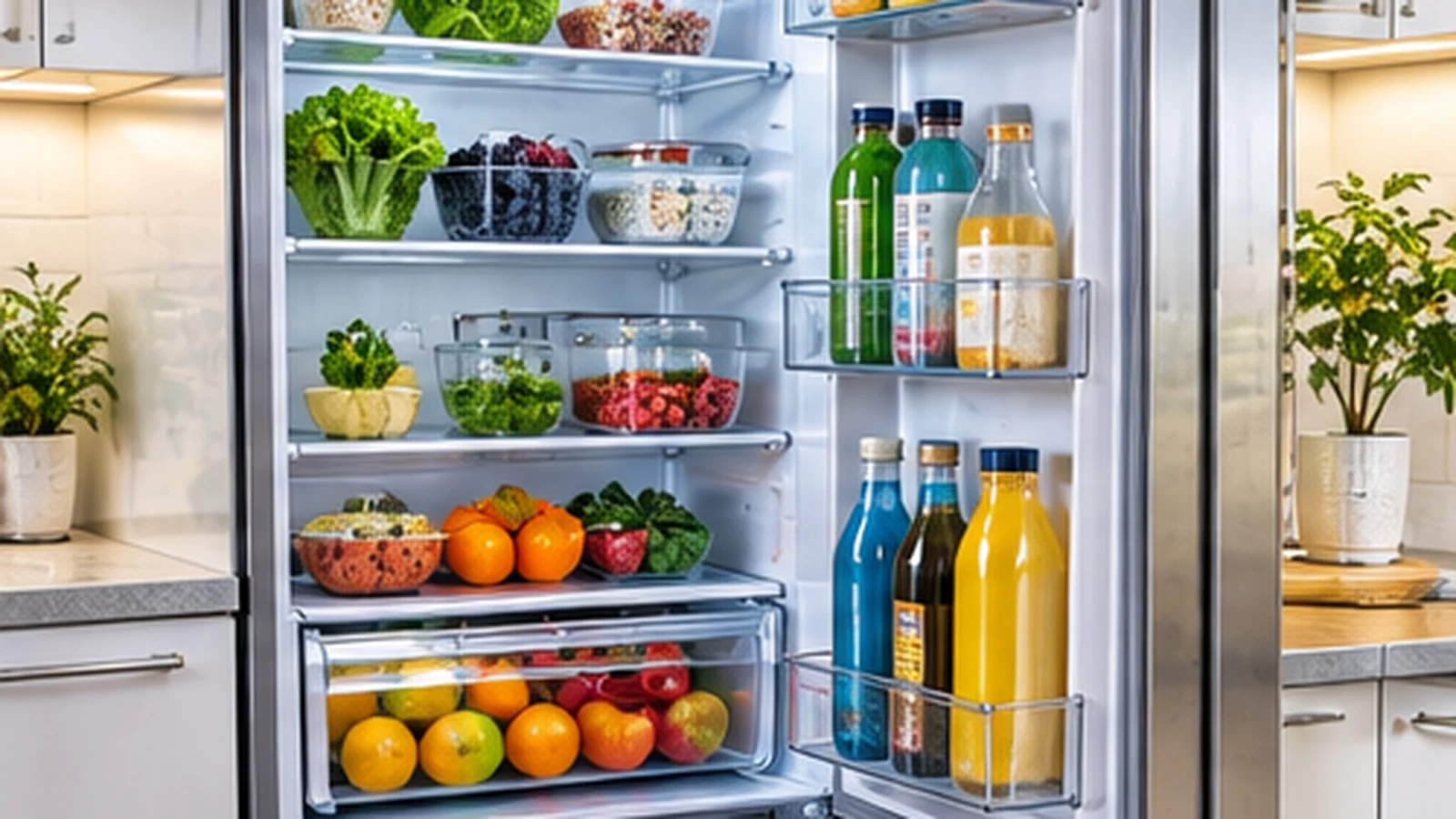
Create a visible eat-first shelf for opened ingredients and leftovers, while keeping raw foods sealed and separate.
Label leftovers with their name and date, follow official storage guidance, and check the area before shopping.
A weekly review can remove spoiled items and help plan a meal around ingredients that need attention.
Do not rely on smell alone to determine food safety. Keep raw animal products separate. Follow local time and temperature recommendations.
Make food visible and track what needs using
Before shopping, check the fridge and plan one or two meals around ingredients that need using soon. Put newer items behind older ones and keep a visible “use first” area. Store food in suitable covered containers and label leftovers with the date prepared.
Troubleshooting and common mistakes
Keep the refrigerator at a safe temperature using an appliance thermometer and follow official storage-time guidance for each food. Separate raw meat and seafood from ready-to-eat foods to prevent drips and cross-contamination. Freeze suitable portions when you know they will not be used in time.
When to stop and get help
Do not rely on smell or appearance alone to decide whether a potentially unsafe food is safe. Follow official time-and-temperature guidance and discard food when its storage history is uncertain.
Sources and further reading
Cold Food Storage Chart (official guidance)
Plan storage around visibility
Use clear, labelled containers where practical and avoid hiding small leftovers behind large packages. A short weekly check can identify ingredients that should be used first. Keep raw foods contained so juices cannot drip onto ready-to-eat items.
Frequently asked question
Can I judge leftover safety by smell?
No. Harmful bacteria may not produce a noticeable smell or visible change. Use official time-and-temperature guidance for the food and discard it if its storage history is uncertain.
Editorial note: This is general household information. Product instructions and official safety guidance take priority where they differ.